


The Skills Behind Exceptional Cabin Crew
A career in aviation is about much more than knowing safety procedures or serving passengers.
Cabin crew work in an environment where every flight brings together people with different
expectations, personalities, cultures, and needs. This makes the ability to interact professionally
and handle people effectively an essential part of the job.
Soft skills help cabin crew turn their technical training into effective real-world performance. A
crew member may know exactly what procedure to follow, but the way they communicate and
respond can significantly influence how a passenger experiences that situation.
Creating Confidence and Trust Onboard
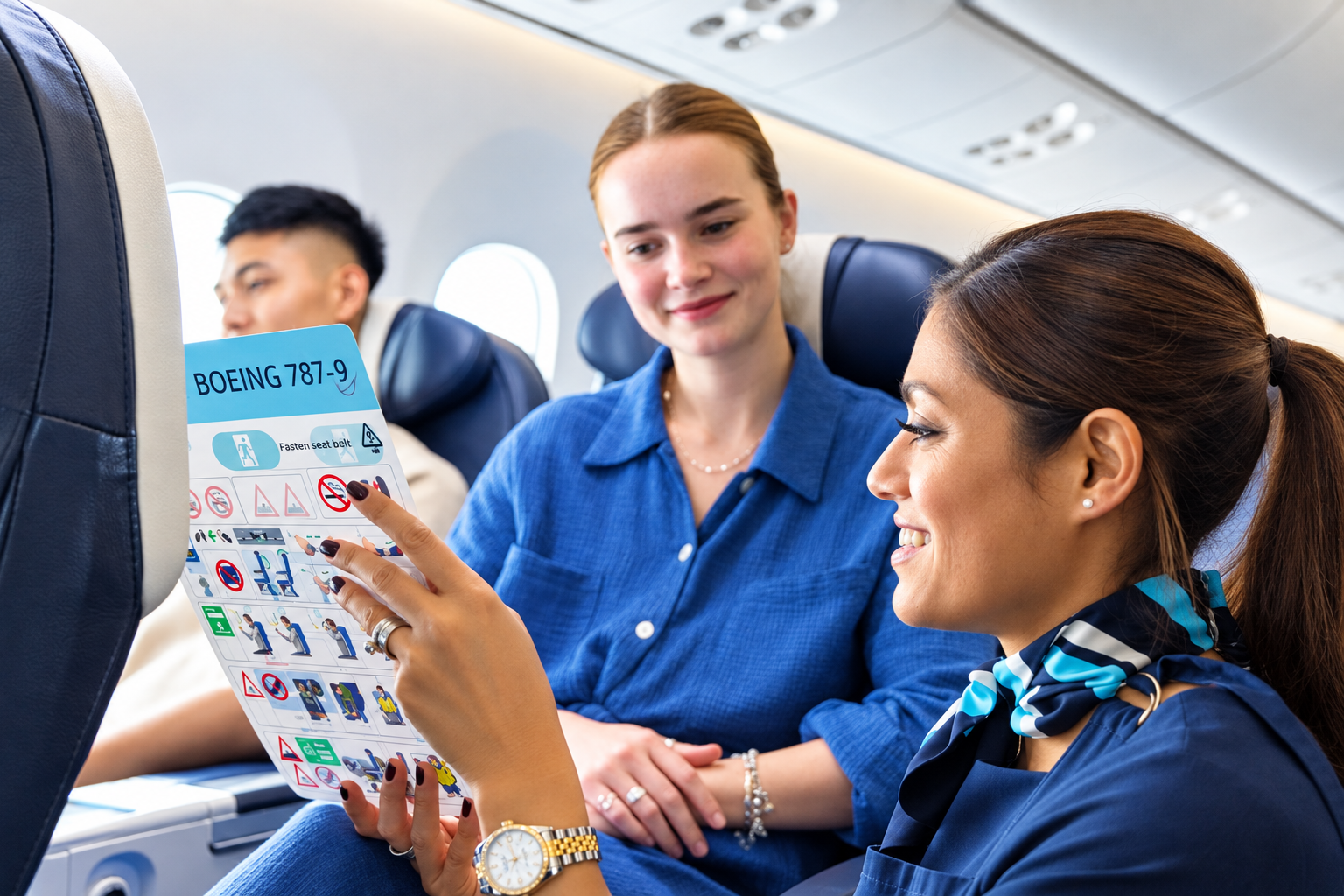
Passengers often look to cabin crew for reassurance, guidance, and support. During boarding,
safety demonstrations, turbulence, delays, or unexpected situations, passengers need to feel
that the crew is approachable and in control. Strong interpersonal abilities help crew members
communicate information clearly while maintaining a calm and professional presence.
Handling Challenging Situations Professionally
Not every passenger interaction will be easy. Complaints, misunderstandings, delays, and
service-related concerns can quickly become stressful. Soft skills enable cabin crew to listen
before responding, understand the situation, and approach problems constructively. This can
help prevent small concerns from becoming larger conflicts while maintaining the passenger’s
dignity.
Building Emotional Intelligence
Air travel can sometimes be overwhelming for passengers, whether due to delays, turbulence,
anxiety, or personal circumstances. Emotional intelligence enables cabin crew to recognise
these emotions, respond with patience and understanding, and provide appropriate support
while maintaining professionalism.
At the same time, teamwork plays a vital role onboard. Cabin crew must coordinate closely
with one another to manage daily responsibilities, maintain safety standards, and handle
unexpected situations efficiently. Strong collaboration ensures that the crew can support each
other and respond effectively when passengers or the situation require immediate attention.
Understanding Different People
Aviation is one of the world’s most multicultural industries. Cabin crew may interact with
passengers from numerous nationalities during a single flight. Understanding different
communication styles and respecting cultural differences helps create a more inclusive and
comfortable environment onboard.
Turning Training Into Career Readiness
Soft skills are also valuable during the recruitment process. Airlines may assess how candidates
communicate, behave in groups, respond to scenarios, and manage pressure.
For aspiring cabin crew, developing these abilities alongside aviation knowledge can build
confidence and workplace readiness. Technical skills prepare you for the responsibilities of
the role; soft skills prepare you for the people who make every flight different.
 English