


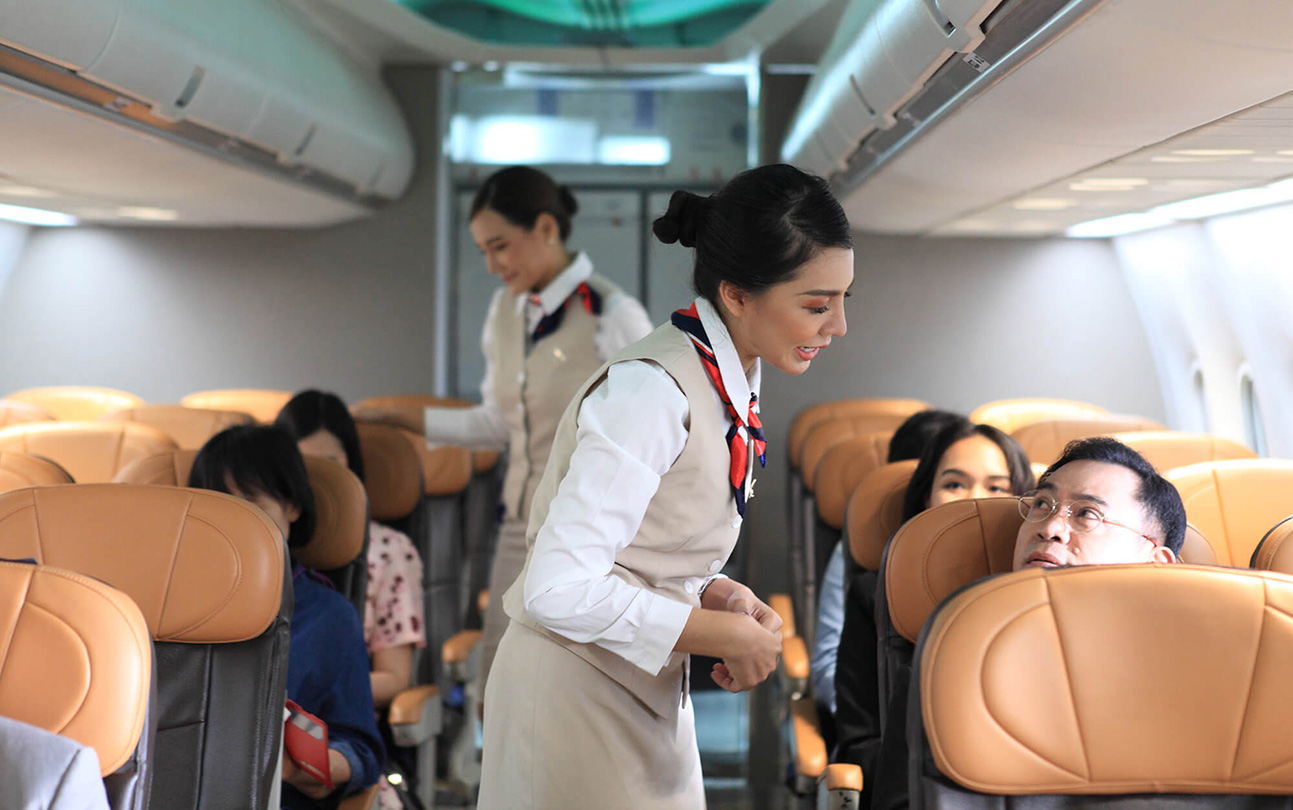
When people think of cabin crew, they often picture impeccable grooming, warm smiles, and excellent customer service. While these qualities are important, one skill truly sets exceptional cabin crew professionals apart-Emotional Intelligence (EI). In the fast-paced aviation industry, flight attendants interact with passengers from diverse cultures, manage stressful situations, and ensure safety, all while maintaining a calm and professional attitude. Emotional intelligence enables cabin crew to understand, manage, and respond to emotions effectively, creating a positive experience for everyone on board.
Why Emotional Intelligence Matters in Aviation
Cabin crew members encounter a wide range of situations during every flight. From assisting nervous first-time flyers to calming frustrated passengers during delays, they must remain composed under pressure. Emotional intelligence helps crew members recognize passengers’ emotions, communicate with empathy, and make thoughtful decisions instead of reacting impulsively.
Strong emotional intelligence also improves teamwork. Cabin crew work closely with colleagues and pilots, where clear communication, mutual respect, and cooperation are essential for smooth operations. By understanding each other’s perspectives and managing emotions effectively, teams can perform efficiently even in challenging situations.
Beyond passenger service, emotional intelligence plays a vital role during emergencies. Remaining calm, confident, and reassuring helps passengers feel safe while allowing the crew to carry out safety procedures effectively.
Developing Emotional Intelligence for a Successful Cabin Crew Career
Emotional intelligence is not an inborn talent-it can be developed through practice and training. Aspiring cabin crew professionals can strengthen this skill by improving active listening, practicing empathy, managing stress, developing self-awareness, and enhancing communication abilities.
At professional cabin crew training academies such as TIAH Academy, students learn not only aviation procedures and safety standards but also the interpersonal skills required to deliver world-class passenger service. Emotional intelligence helps future cabin crew build confidence, resolve conflicts professionally, and create memorable travel experiences.
In today’s aviation industry, technical knowledge may secure an interview, but emotional intelligence is often the quality that transforms a good cabin crew member into an exceptional aviation professional.
 English