


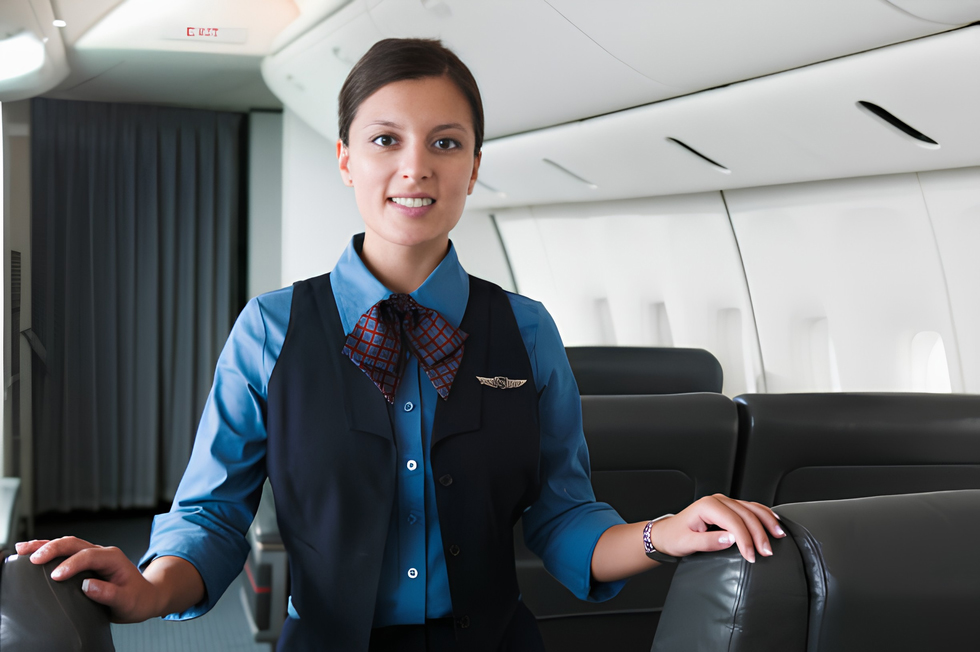
In aviation, every second counts. Cabin crew members are trained to remain calm, think clearly, and make the right decisions even in the most challenging situations. Whether dealing with a medical emergency, unexpected turbulence, or an onboard conflict, their ability to make sound decisions under pressure is what keeps passengers safe. The skills learned during cabin crew training extend far beyond the aircraft and can benefit anyone in their personal and professional life.
Staying Calm Before Taking Action
One of the first lessons in cabin crew training is to stay calm. Panic can cloud judgment and lead to poor decisions. Cabin crew are trained to pause, assess the situation, and act according to established procedures. This calm approach allows them to respond effectively, even when faced with unexpected challenges.
Prioritizing Safety Above Everything
Every decision made by cabin crew is guided by one principle: safety first. During training, students learn how to identify risks, assess the urgency of a situation, and take immediate action when required. This structured way of thinking helps ensure that the most critical issues are handled first, reducing the chances of mistakes.
Communicating Clearly Under Stress
Pressure often creates confusion, making communication more important than ever. Cabin crew training focuses on giving clear instructions, listening carefully, and coordinating with team members. Effective communication ensures that everyone understands their role and works together efficiently during emergencies.
Building Confidence Through Practice
Confidence doesn’t come from theory alone-it comes from repetition. Cabin crew trainees participate in realistic emergency simulations, allowing them to practice decision-making in high-pressure environments. These exercises prepare them to respond quickly and confidently when real situations arise.
A Skill That Benefits Every Career
Decision-making under pressure is valuable in every profession, from healthcare and hospitality to business and customer service. Cabin crew training develops resilience, critical thinking, teamwork, and leadership-qualities that employers highly value across industries.
The ability to make smart decisions under pressure is one of the most valuable skills a cabin crew professional can possess. Through structured training, practical simulations, and continuous practice, aspiring cabin crew learn to remain composed, communicate effectively, and act with confidence. These lessons not only prepare them for a successful aviation career but also equip them with lifelong skills that can help them thrive in any fast-paced environment.
 English